SCR System Faults Explained: Causes, Warnings and Fixes
An SCR fault can trigger AdBlue warnings, “emissions fault” messages, and mileage countdowns. This guide breaks down what the SCR system does, why faults happen, and the most reliable way to get a fast, lasting result.
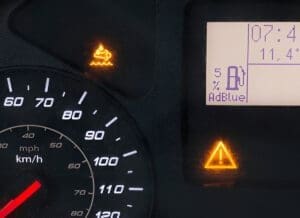
If your dash shows “SCR system fault”, “emissions fault”, or an AdBlue warning that will not clear, you are dealing with a system-level problem. The SCR system works with AdBlue to reduce NOx emissions. When the car cannot confirm it is working correctly, it flags a fault and can start a countdown.
The positive part is this. SCR faults are usually very diagnoseable when you read codes and live data properly. Once you identify the fault path, you can choose the right fix without replacing parts on guesses.
Common SCR-related warnings you might see
- • “SCR system fault”
- • “Emissions fault”
- • “AdBlue quality”
- • “Top up AdBlue” that remains after filling
- • “Starting prevented in 700 miles” / “No restart in 500 miles”
If you want the broad AdBlue warning context first, read this:
what causes AdBlue warning lights and how to fix them
.
What the SCR system does (plain English)
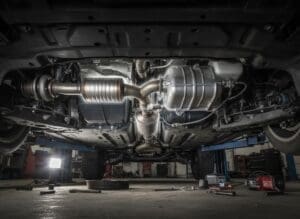
SCR stands for Selective Catalytic Reduction. It reduces NOx emissions by injecting AdBlue into the exhaust stream. The heat and catalyst convert the dosing into a reaction that helps clean the exhaust gases.
A simple flow of what is happening
- The ECU decides dosing is needed based on operating conditions.
- The AdBlue pump builds pressure and feeds the system.
- The injector doses AdBlue into the exhaust.
- NOx sensors (and other sensors) confirm expected reduction.
- If results do not match expected values, the ECU flags an SCR fault and may start a countdown.
When you understand that flow, the messages make more sense. An SCR fault can be caused by dosing, sensors, wiring, or deposits. It is not always “low AdBlue”.
The most common causes of SCR system faults
The dash message is the end result. The real cause sits in the fault codes and live data. These are the usual culprits behind repeat SCR faults.
1) Dosing problems
The injector may not deliver the expected amount or pattern. Crystals and build-up can make this worse over time.
2) Pump and pressure faults
If the pump cannot build or hold pressure reliably, the system fails dosing checks and triggers an SCR warning.
3) NOx sensor mismatch
Sensors confirm whether NOx drops as expected. If a sensor drifts or fails, the ECU may assume the SCR system is ineffective.
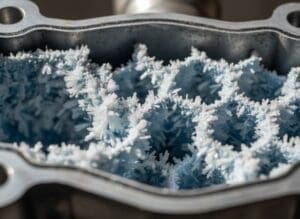
4) Crystallisation and deposits
Deposits can restrict flow and change dosing behaviour. This often sits behind “quality” and “emissions” messages.
5) Wiring and connectors
Water ingress and corrosion cause intermittent faults. The warning may come and go until it becomes permanent.
6) Level recognition issues
The system may not recognise level after a small top-up. This can trigger warnings that look like system faults until proven.
If you can see crystals or white residue, this post shows why it matters and what to do:
AdBlue crystallisation
.
Warning messages and the quickest next step
These messages often overlap. The smartest move is matching the message to the right next action so you avoid wasted visits and repeat faults.
| Dash message | What it often points to | Best next step |
|---|---|---|
| “SCR system fault” | Confirmed system check failure | Diagnostics and live data review |
| “AdBlue quality” | Dosing or sensor mismatch | Stop topping up and confirm root cause |
| “Emissions fault” | NOx reduction not as expected | Scan and inspect dosing path |
| Countdown / “start prevented” | High urgency system fault | Book in urgently before it reaches zero |
If you are in a countdown, read this next:
AdBlue start prevented message
.
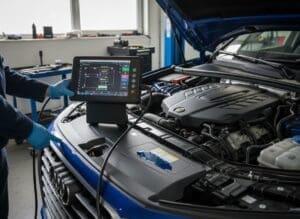
How SCR faults get fixed properly
The fix depends on what the ECU is unhappy about. That is why the fastest way to a solution is proving the fault path first. A proper diagnostic avoids repeat warning lights and saves money.
What a good SCR diagnostic focuses on
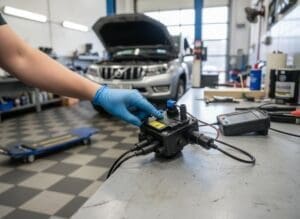
- Read all relevant fault codes and check freeze-frame conditions.
- Check live data for dosing demand, pressure behaviour, and NOx readings.
- Inspect the physical system for leaks, deposits, and damaged wiring.
- Confirm the result so the warning clears for the right reason.
If you suspect pump or pressure issues, this post explains what usually fails:
AdBlue pump repair explained
.
SCR fault showing on the dash?
Send your reg and the exact wording of the message. We will advise the quickest route to a result and book a mobile visit across the West Midlands if needed.
Serving West Midlands and surrounding areas.
Helpful links
Services
Start here to choose the best outcome for your vehicle.
AdBlue delete
A clear route when the system keeps failing checks.
Contact us
Send your reg and message for quick advice.