
AdBlue Repair Cost UK: What to Expect for Pump, Sensor, Injector and Tank
Facing an AdBlue fault and wondering what it will cost to fix? This guide breaks down the real UK prices for every common AdBlue repair — from a simple sensor swap to a full pump or tank replacement — and explains when a software-based solution is the smarter financial choice.
When an AdBlue warning light appears, the first question most drivers and fleet operators ask is the same one: how much is this going to cost? The answer depends on which component has failed — and the range is wide. A single NOx sensor might cost £180 fitted. A failed SCR catalyst on a larger van can run past £2,000. And in some cases, a software solution costs less than a single replacement part and solves the problem permanently.
This guide gives you realistic UK pricing for every common AdBlue repair, based on what independent specialists typically charge. We’ll also flag where the numbers should steer you toward a software fix rather than hardware replacement.
- How AdBlue diagnosis works — and why it matters before spending
- NOx sensor replacement cost UK
- AdBlue pump repair and replacement cost
- AdBlue injector replacement cost
- AdBlue tank replacement cost
- SCR catalyst replacement cost
- AdBlue heater element replacement cost
- Software delete cost — and when it beats hardware repair
- Frequently asked questions
How AdBlue Diagnosis Works — and Why It Matters Before Spending
One of the most common mistakes we see is drivers spending money on parts before properly diagnosing the fault. An AdBlue fault code — like P20EE, P207F, or P2BAC — tells you what the ECU has detected as the symptom. It doesn’t directly confirm which component is responsible.
P20EE, for example, means “SCR catalyst efficiency below threshold.” But the cause could be:
- A failed downstream NOx sensor giving inaccurate readings
- An AdBlue dosing pump not delivering enough fluid
- A blocked or failed dosing injector
- Contaminated or low-quality AdBlue fluid
- A genuinely degraded SCR catalyst
If you replace the SCR catalyst — the most expensive hardware fix — and the real problem was a faulty NOx sensor costing £200, you’ve spent over £1,500 unnecessarily. This is why a proper diagnostic — with live NOx sensor data, pump pressure checks, and fluid quality assessment — should always precede hardware replacement.
We always diagnose before we recommend
Before quoting for any repair, we run a full diagnostic assessment to confirm the actual cause of the fault. We won’t recommend a costly repair if a cheaper fix — or a software solution — will resolve the problem.
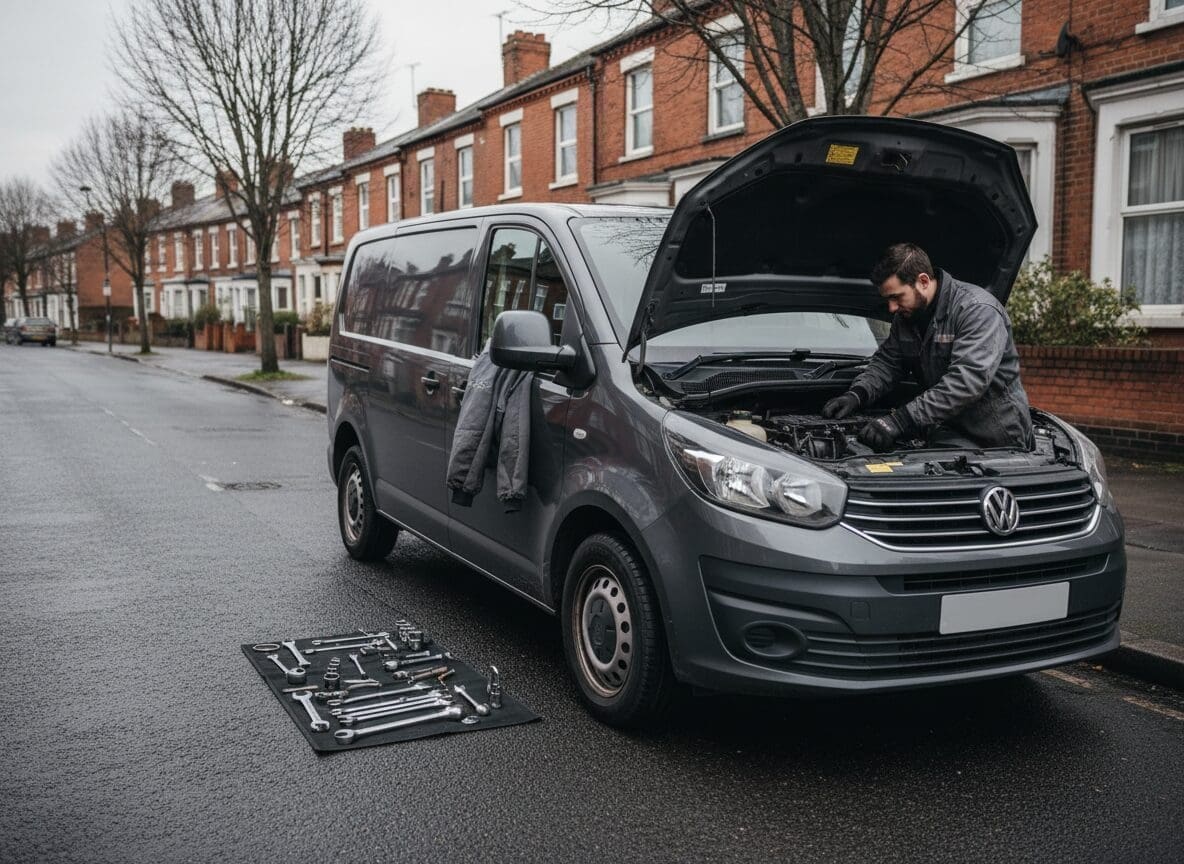
NOx Sensor Replacement Cost UK
The NOx (nitrogen oxide) sensor is the most commonly replaced component in AdBlue fault repairs. Most Euro 6 diesel vehicles run two NOx sensors: one upstream of the SCR catalyst (measuring exhaust NOx before AdBlue is injected) and one downstream (measuring the reduction achieved).
When either sensor fails, the ECU can no longer verify that the SCR system is performing to standard, and fault codes — typically P20EE, related NOx efficiency codes, or sensor circuit codes — are stored.
| Component | Part Cost (inc. VAT) | Labour (independent) | Total Estimate |
|---|---|---|---|
| NOx sensor (upstream) | £80–150 | £80–150 | £160–300 |
| NOx sensor (downstream) | £80–150 | £80–150 | £160–300 |
| Both NOx sensors | £160–300 | £120–200 | £280–500 |
OEM-specification sensors tend to last significantly longer than cheap aftermarket alternatives. If you’re replacing a sensor on a working vehicle you intend to keep for several years, buying from a reputable brand rather than the cheapest online option is usually the right call.
AdBlue Pump Repair and Replacement Cost
The AdBlue dosing pump delivers precise quantities of fluid into the exhaust stream. It operates under pressure and has internal filters and valves that can fail over time. Crystallisation of AdBlue inside the pump or lines is a common cause of blockages, particularly on vehicles that have stood unused for extended periods.
In some cases, a blocked pump can be flushed and cleared — this is cheaper than replacement if the pump is mechanically sound. If the pump motor or internal valve has failed, full replacement is required.
| Component | Part Cost (inc. VAT) | Labour (independent) | Total Estimate |
|---|---|---|---|
| AdBlue pump flush/clean | — | £80–150 | £80–150 |
| AdBlue pump replacement (small van) | £200–450 | £120–200 | £320–650 |
| AdBlue pump replacement (large van) | £350–650 | £150–250 | £500–900 |
On some platforms — notably certain PSA (Peugeot/Citroën) and Ford Transit models — the pump is integrated with the tank assembly, meaning the entire unit must be replaced even if only the pump component has failed. This significantly increases the cost.
AdBlue Injector Replacement Cost
The AdBlue injector (sometimes called the dosing valve or SCR injector) sprays fluid into the exhaust pipe at precisely the right point in the SCR system. Injectors can become clogged with AdBlue crystals, particularly when there have been low fluid events that allow air into the system, or when the vehicle has stood for long periods with fluid in the injector body.
| Component | Part Cost (inc. VAT) | Labour (independent) | Total Estimate |
|---|---|---|---|
| AdBlue injector (cleaning service) | — | £60–120 | £60–120 |
| AdBlue injector replacement | £100–300 | £100–180 | £200–480 |
AdBlue Tank Replacement Cost
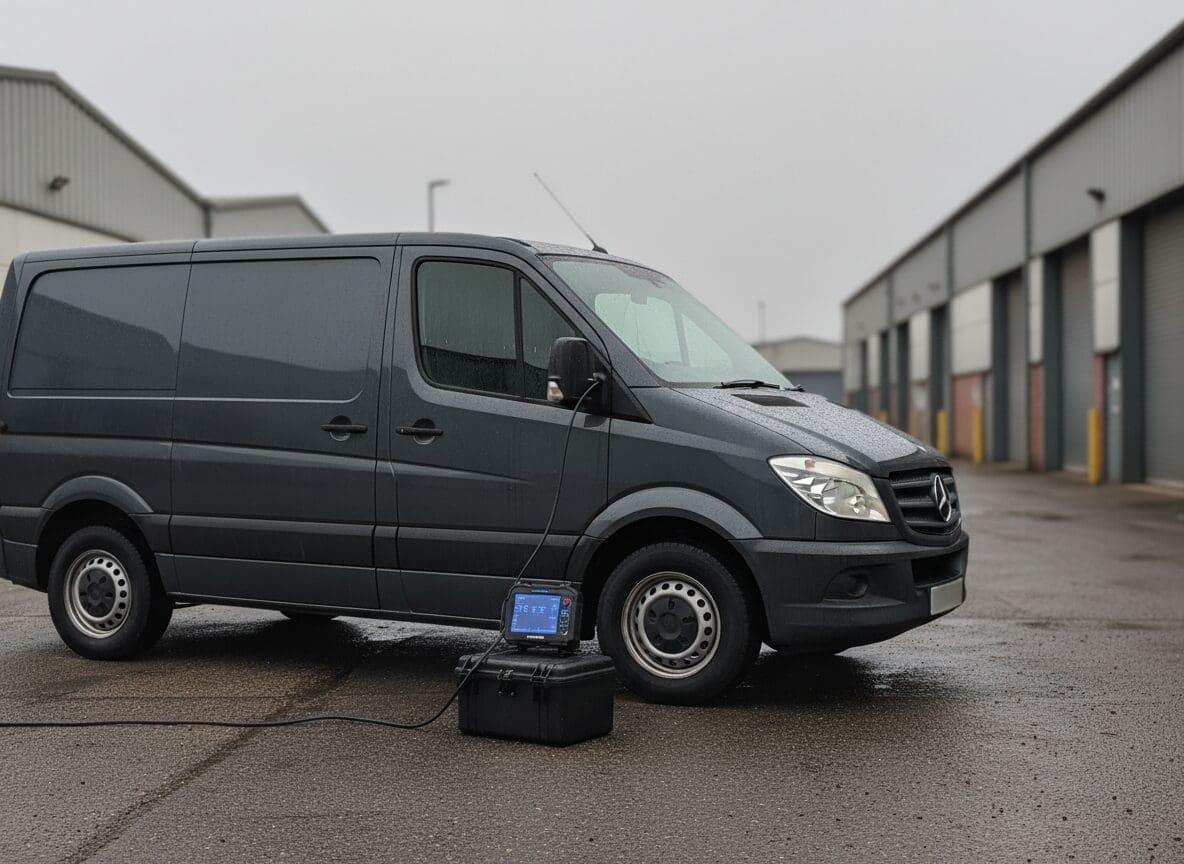
AdBlue tank replacement is typically required when the tank itself has cracked (rare but possible), the level sensor is integrated and has failed beyond repair, or when contamination has been severe enough to compromise the tank lining. On most modern vans, the AdBlue tank is a durable plastic unit — physical damage is uncommon in normal use.
| Component | Part Cost (inc. VAT) | Labour (independent) | Total Estimate |
|---|---|---|---|
| AdBlue tank (small van) | £200–500 | £150–250 | £350–750 |
| AdBlue tank (large van / chassis cab) | £350–800 | £200–400 | £550–1,200 |
| Integrated tank/pump assembly | £500–1,200 | £200–350 | £700–1,550 |
SCR Catalyst Replacement Cost
The SCR catalyst is the most expensive hardware component in the AdBlue system. It’s also the one most often assumed to be the cause of P20EE codes when the actual problem is a sensor or dosing issue. Before committing to SCR catalyst replacement, confirm with live diagnostic data that the catalyst itself is the cause of the efficiency fault.
| Vehicle Type | Catalyst Cost (inc. VAT) | Labour (independent) | Total Estimate |
|---|---|---|---|
| Medium panel van (e.g. Transit, Expert) | £400–900 | £200–350 | £600–1,250 |
| Large van (e.g. Sprinter, Boxer, Daily) | £700–1,500 | £250–450 | £950–1,950 |
AdBlue Heater Element Replacement Cost
The heater element prevents AdBlue from freezing in cold weather. If it fails, the system may show faults in winter or after overnight frosts even when the fluid level and quality are correct. Heater failure is often overlooked as a cause of AdBlue faults because the symptoms are inconsistent — the van may work fine in warm weather and show faults in cold conditions.
| Component | Part Cost (inc. VAT) | Labour (independent) | Total Estimate |
|---|---|---|---|
| AdBlue tank heater element | £80–250 | £100–180 | £180–430 |
| AdBlue line heater | £60–180 | £80–150 | £140–330 |
Software Delete Cost — and When It Beats Hardware Repair
A software-based AdBlue delete reprograms the vehicle’s ECU to disable the AdBlue monitoring system entirely. The vehicle no longer requires AdBlue, no longer stores AdBlue fault codes, and no longer triggers warning messages or countdown restrictions. The engine management system continues to run normally in every other respect.
The typical cost of a software delete from a specialist is £350–600 depending on the vehicle make, model, and the specific ECU platform. This is a one-off, permanent fix that removes the need for ongoing AdBlue management.
When a software delete is better value than hardware repair
The software delete typically makes more commercial sense when the fault requires SCR catalyst replacement (£600–1,950), pump replacement on an integrated tank/pump platform (£700–1,550), or multiple components failing in sequence on a high-mileage vehicle. At those price points, a one-off software fix at £350–600 pays for itself immediately and eliminates future AdBlue-related costs entirely.
It’s also relevant for fleet operators who want to remove AdBlue management from their maintenance overhead entirely, or for operators working in environments where reliable AdBlue supply is inconvenient.
Mobile service — we come to you
We carry out all our work at your location — depot, driveway, or roadside. There’s no need to arrange a tow or book your van into a garage. We quote upfront, complete the work on-site, and verify the fix before leaving. Contact us for a free quote.
Need a price for your AdBlue fault?
Tell us your vehicle, the warning messages you’re seeing, and any fault codes that have been read. We’ll give you an honest assessment of the most cost-effective fix — hardware repair or software solution.
Frequently Asked Questions
What is the average AdBlue repair cost in the UK?
It depends entirely on what has failed. A single NOx sensor replacement typically costs £160–300 fitted by an independent specialist. A pump replacement runs £320–900. SCR catalyst replacement can exceed £1,900 on larger vans. A software delete typically costs £350–600 as a one-off permanent solution.
Is it cheaper to delete AdBlue or repair it?
For anything beyond a sensor replacement, a software delete is usually cheaper overall. If the pump, catalyst, or integrated tank assembly needs replacing, the hardware cost often exceeds the one-off cost of a software fix — and the software fix has no ongoing maintenance cost attached to it.
Does AdBlue repair cost more at a main dealer?
Typically yes. Main dealers charge higher labour rates and may recommend manufacturer-branded parts at a premium. An independent AdBlue specialist will usually achieve the same repair at a lower cost, using quality OEM-specification parts.
Will fixing the AdBlue fault void my warranty?
If your vehicle is within the manufacturer’s warranty period, repairs should be carried out by an authorised dealer to protect warranty coverage. For out-of-warranty vehicles, there’s no warranty concern with using an independent specialist.
How do I get an accurate quote for my AdBlue fault?
The most reliable way is to have the fault codes read first — either by a garage or with your own OBD reader — and then give the codes and any warning messages to the specialist you’re contacting. This lets us give you a much more accurate quote than going on warning lights alone. Contact us here with your details.


